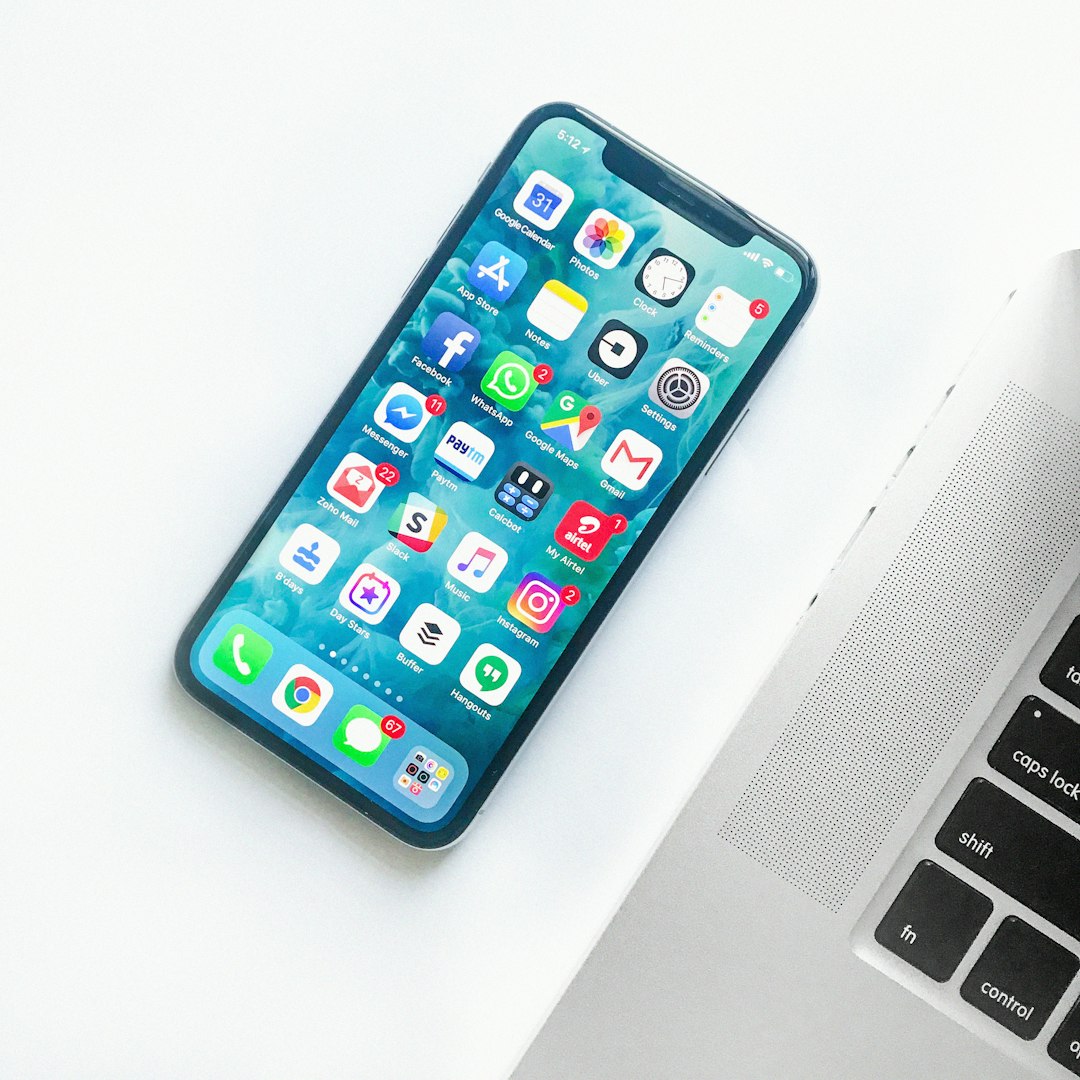
The Telephone Consumer Protection Act (TCPA) safeguards New Yorkers from harassing telemarketing by demanding prior express written consent for automated calls and prohibiting calls to numbers on the National Do-Not-Call Registry without explicit permission. With growing robocall and text nuisance, registering your number, using call filtering, and consulting a TCPA Lawyer New York are key defenses. Legal experts navigate TCPA complexities, assess cases, advise on remedies, and pursue lawsuits against violators, ensuring justice and protecting consumer rights.
In the digital age, understanding your rights against unwanted phone calls and texts is more crucial than ever. The Telephone Consumer Protection Act (TCPA) offers vital protection for consumers in New York and across the nation, but navigating these laws can be complex. With a rise in automated telemarketing calls and text messages, it’s increasingly important to know how to shield yourself from potential TCPA violations. This comprehensive guide arms you with essential knowledge, helping you recognize and protect against harassing communications. For expert advice tailored to New York’s legal landscape, consulting a TCPA Lawyer New York can provide invaluable insights, ensuring your rights are upheld in this ever-evolving regulatory environment.
Understanding TCPA Laws in New York: A Comprehensive Guide

In New York, as across the nation, the Telephone Consumer Protection Act (TCPA) safeguards consumers from aggressive or unsolicited telephone marketing. Understanding these laws is crucial for both businesses and individuals to avoid violations that can lead to substantial fines. A TCPA lawyer in New York explains that the act primarily restricts telemarketers’ practices, focusing on consent and do-not-call lists. One key aspect is the requirement for prior express written consent before making automated or prerecorded calls to consumers—a rule that has been interpreted and applied in various legal cases across the state.
For instance, in 2018, a New York court ruled in favor of a consumer who received numerous unwanted marketing calls from a debt collection agency, despite having registered on the National Do-Not-Call Registry. This case underscores the importance of businesses ensuring compliance with TCPA regulations. Furthermore, the law prohibits calls made to phone numbers listed on the do-not-call registry unless the caller has obtained specific, explicit consent from the subscriber. Businesses must also be mindful of how they obtain and document such consents, especially when dealing with automated systems or prerecorded messages.
To protect yourself, it’s essential to know your rights under the TCPA and take proactive measures. Start by reviewing your call logs for any suspicious activity and maintaining a detailed record of all telephone communications. If you suspect a violation, consult a qualified TCPA lawyer in New York who can guide you through the legal process, which may involve filing a complaint with the Federal Communications Commission (FCC) or pursuing litigation to recover damages. Staying informed about evolving TCPA regulations is vital to ensuring compliance and avoiding potential legal pitfalls.
Identifying and Preventing Robocalls & Unwanted Texts
In today’s digital age, robocalls and unwanted texts have become a pervasive nuisance, with New Yorkers receiving an average of 15 such intrusions monthly. The Telecommunications Consumer Protection Act (TCPA) offers safeguards against these annoyances but requires proactive measures to enforce them. A TCPA lawyer New York can provide invaluable guidance in navigating this complex legislation.
Identifying robocalls and unwanted texts is the first line of defense. Unlike legitimate calls, these intrusions often display blocked or unknown numbers. Advanced call-blocking apps and software can help filter out such calls, but they are not foolproof. It’s crucial to remain vigilant and note down patterns, like repeated calls from unfamiliar numbers. For texts, enable “Do Not Disturb” settings and regularly review your message history for any suspicious activity.
Preventive measures should also include registering your number on the National Do-Not-Call Registry. While primarily focused on telemarketers, this registry offers some protection against robocalls. Additionally, many phone carriers provide call filtering services that can block specific numbers or types of calls. Engaging a TCPA lawyer New York to assess and strengthen these protections is a strategic move, ensuring compliance with the TCPA and peace of mind in an increasingly digital landscape.
Navigating Legal Remedies with a TCPA Lawyer New York

Navigating Legal Remedies with a TCPA Lawyer New York is an essential step for individuals facing violations of the Telephone Consumer Protection Act (TCPA). This federal law, enforced by the Federal Communications Commission (FCC), protects consumers from unsolicited phone calls, text messages, and faxes—a growing concern in today’s digital age. When you’ve been harmed by automated or prerecorded marketing calls, a TCPA Lawyer New York can offer specialized guidance tailored to your situation.
A TCPA lawyer will first assess the specific circumstances of your case, examining if the violative calls were made without prior consent, as required by law. They will then advise you on available legal remedies, which may include sending a cease-and-desist letter to the offending company or filing a complaint with the FCC. In cases where the violation is substantial or recurring, a lawsuit might be warranted, seeking damages for each violation. For instance, in 2021, a New York court awarded $4.5 million to consumers after a TCPA Lawyer New York successfully argued that a major telecom company had violated the TCPA on a massive scale.
The expertise of a TCPA Lawyer New York is invaluable when navigating these complex legal waters. They can help you understand your rights, interpret the nuances of the TCPA, and leverage its stringent penalties to secure justice. For instance, if you’ve received unsolicited marketing calls despite registering your number on the National Do Not Call Registry, a lawyer can assist in pursuing litigation against the responsible parties. With their support, individuals can protect themselves from these intrusions and hold offending entities accountable for violating federal law.